
What Is AI? Perhaps We’ve Been Calling It the Wrong Name
The term Artificial Intelligence was coined by computer scientist John McCarthy in 1956. At the time, it described an ambitious dream: building machines that could perform tasks requiring human intelligence.
Can you believe that seventy years later, that dream has grown into something few of the early pioneers could have imagined.
AI now writes stories, composes music, designs buildings, analyzes medical research, translates languages, creates artwork, and even helps explain electricity to curious readers. It has become a calculator, a research librarian, a creative partner, and a brainstorming companion.
Yet I’ve often wondered whether we’ve given it the wrong name.
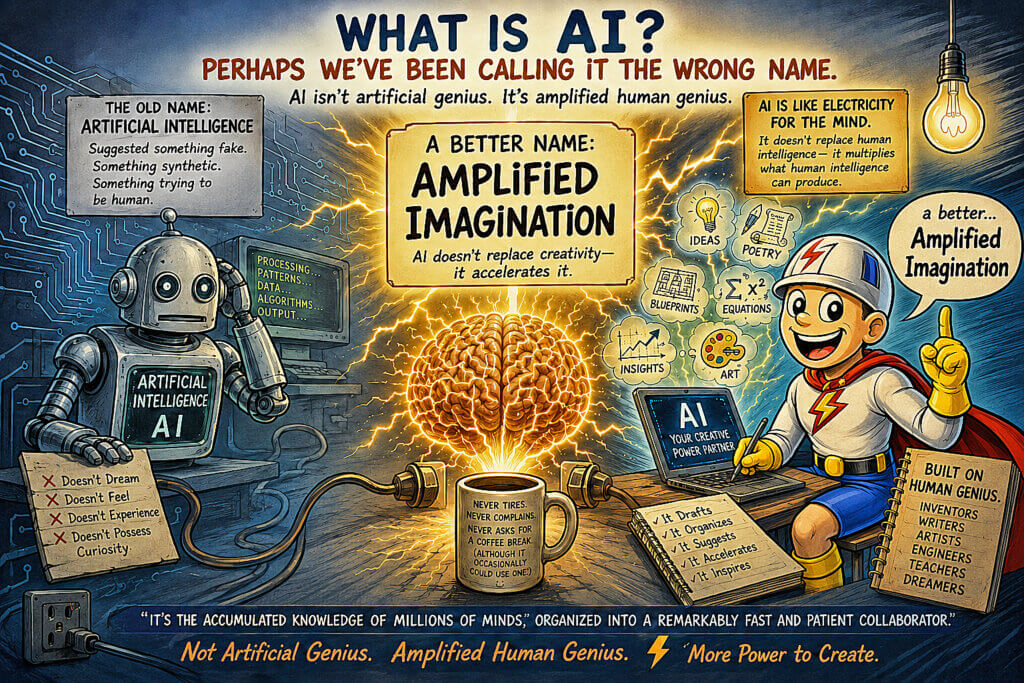
The word artificial suggests something fake or synthetic. That hardly captures what most of us experience when we work with today’s AI. It isn’t pretending to think—it is processing staggering amounts of human knowledge at astonishing speed, helping us organize ideas, discover connections, and explore possibilities we might never have reached alone.
Perhaps a better name would be Amplified Imagination. This description feels closer to reality.
AI doesn’t replace creativity — it accelerates it. It doesn’t dream, but it drafts. It doesn’t possess curiosity, but it helps us pursue ours.
It doesn’t experience emotion, yet it can imitate style, tone, and expression well enough to become an extraordinarily useful creative assistant.
Likewise, AI doesn’t replace human intelligence — it multiplies what human intelligence can produce. It is a cognitive power tool, transforming hours of searching, organizing, and drafting into minutes.
Some might even call it Algorithmic Intuition — not because it possesses intuition, but because it often uncovers relationships, patterns, and possibilities that humans might overlook during a first pass.
AI didn’t invent Shakespeare’s language, Einstein’s insights, Tesla’s inventions, or Taylor Swift’s voice. It learned from the vast collection of human achievements and now helps us build upon it.
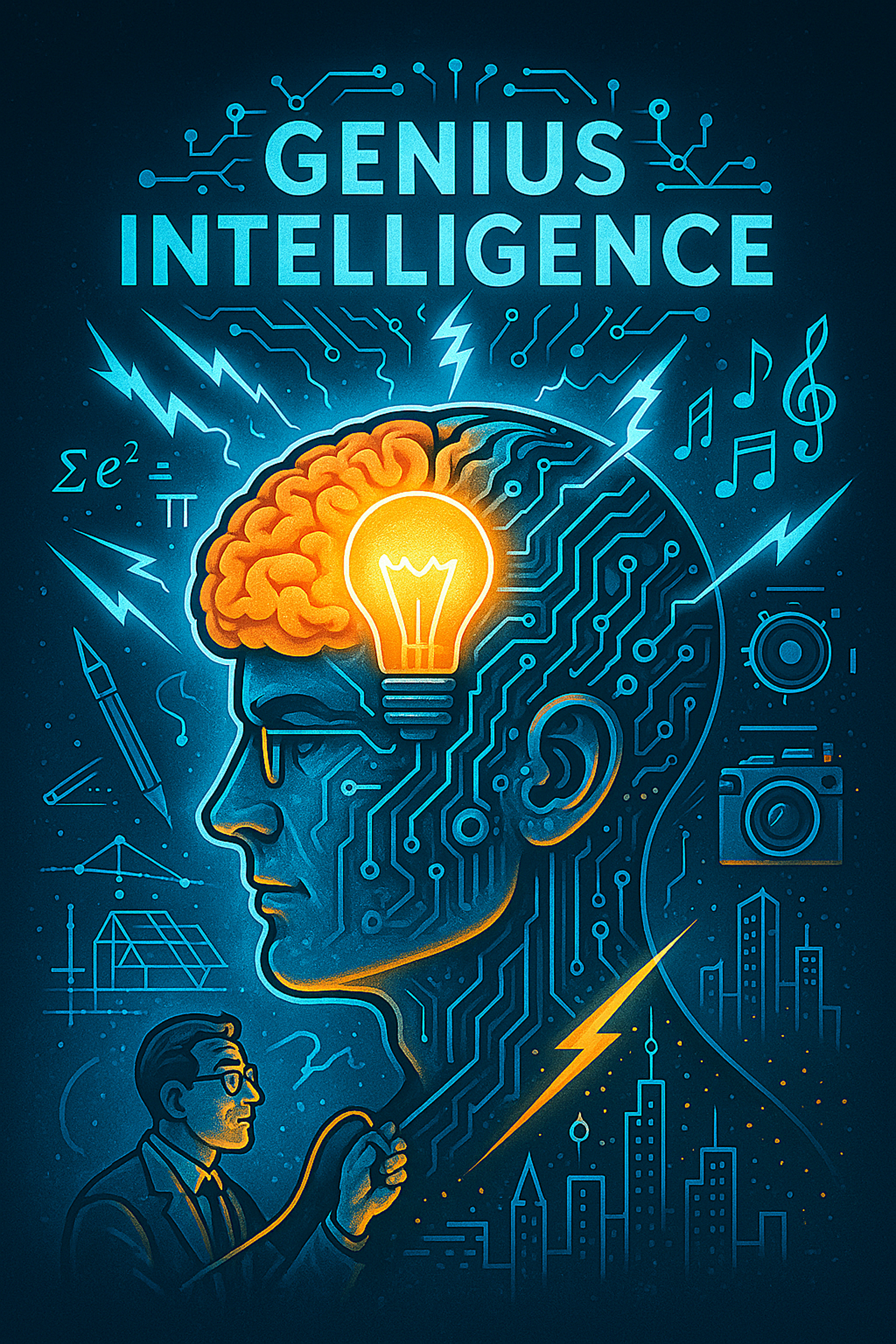
Maybe that’s the better way to think about it. Artificial Intelligence is not artificial genius. It is amplified human genius.
It’s the accumulated knowledge of millions of inventors, scientists, artists, teachers, engineers, and dreamers, organized into a remarkably fast and remarkably patient collaborator that never tires, never complains and never asks for a coffee break.
Until then, I’ll continue thinking of AI as something much more familiar.
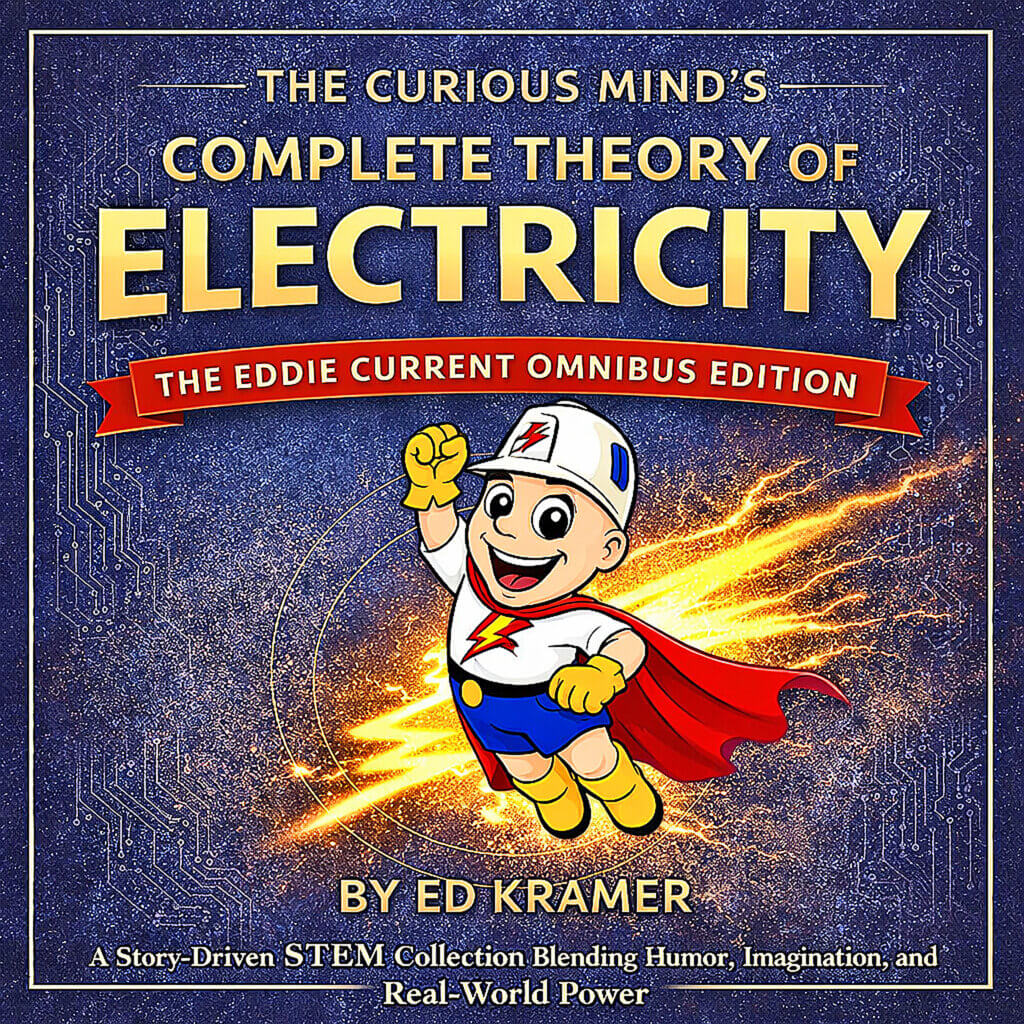
And in the words of Eddie Current, “Like electricity, its true value isn’t in the current itself. It’s in what current empowers us to create.”
And that may be the most intelligent idea of all.
⚡️ Grab your copy for STEM applications while the electrons are still buzzing:
Check out the website: theresmymind.com